Chanukah

Chanukah Celebration

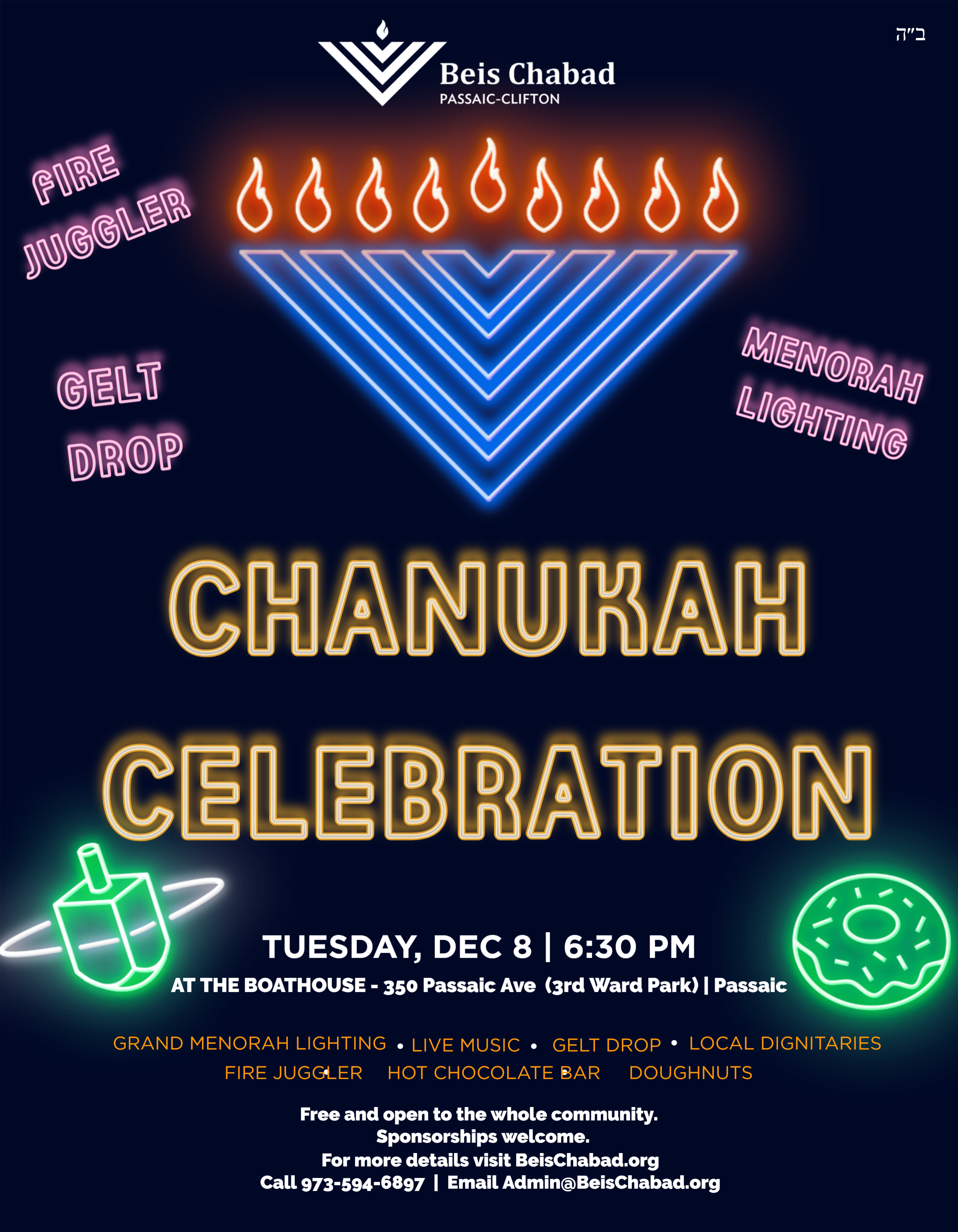
Tuesday, December 8 at 6:30 PM

At the Boathouse (350 Passaic Ave - 3rd Ward Park, Passaic, NJ)

Grand Menorah Lighting - Live Music - Gelt Drop - Local Dignitaries - Fire Juggler - Hot Chocolate Bar - Doughnuts

Chanukah 2026 (5787) at Beis Chabad of Passaic-Clifton

Light up Passaic-Clifton! Public Menorah Lighting on the fifth night of Chanukah, Tuesday, December 8, at 6:30 PM, at the Boathouse in 3rd Ward Park.

Free and open to all.

Public Menorah Lighting: Tuesday, December 8, 2026

The fifth night of Chanukah · 6:30 PM
The Boathouse, 3rd Ward Park, 350 Passaic Ave, Passaic, NJ

Join the whole Passaic-Clifton community, along with the Mayor and the city council, as we light the grand menorah on the fifth night of Chanukah.

  • Grand Menorah Lighting
  • Fire juggling
  • Gelt drop
  • Hot latkes and donuts
  • Hot chocolate bar
  • Live music

Free and open to all. Bring your family and friends!

Photos from Past Years

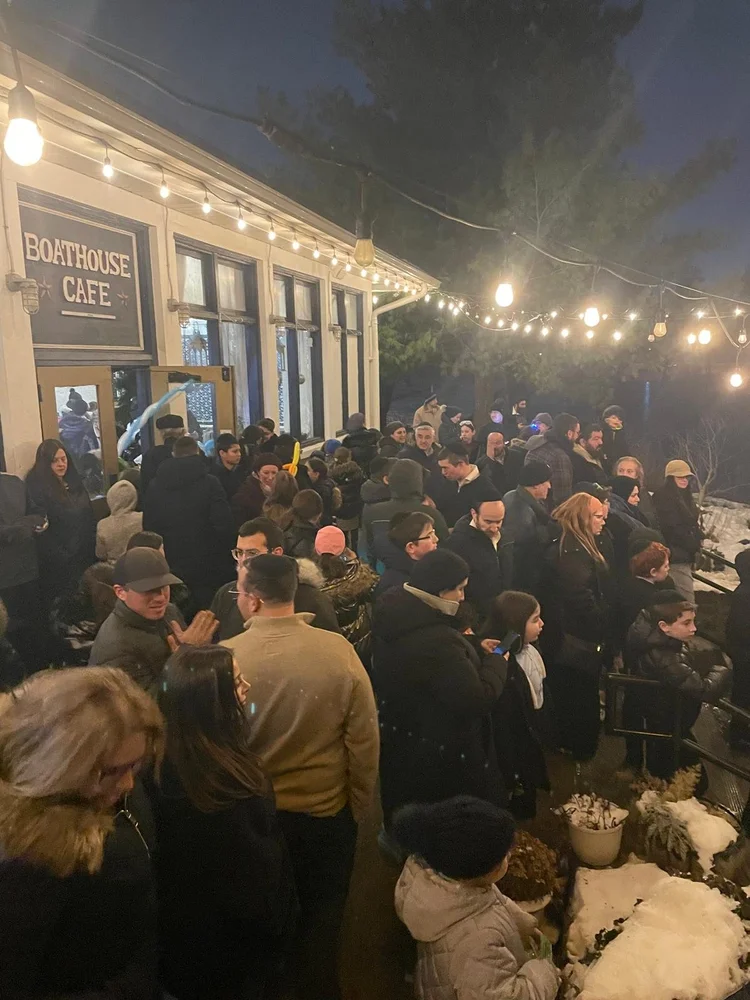
Crowd gathered outside the Boathouse Cafe under string lights at the Beis Chabad Chanukah celebration
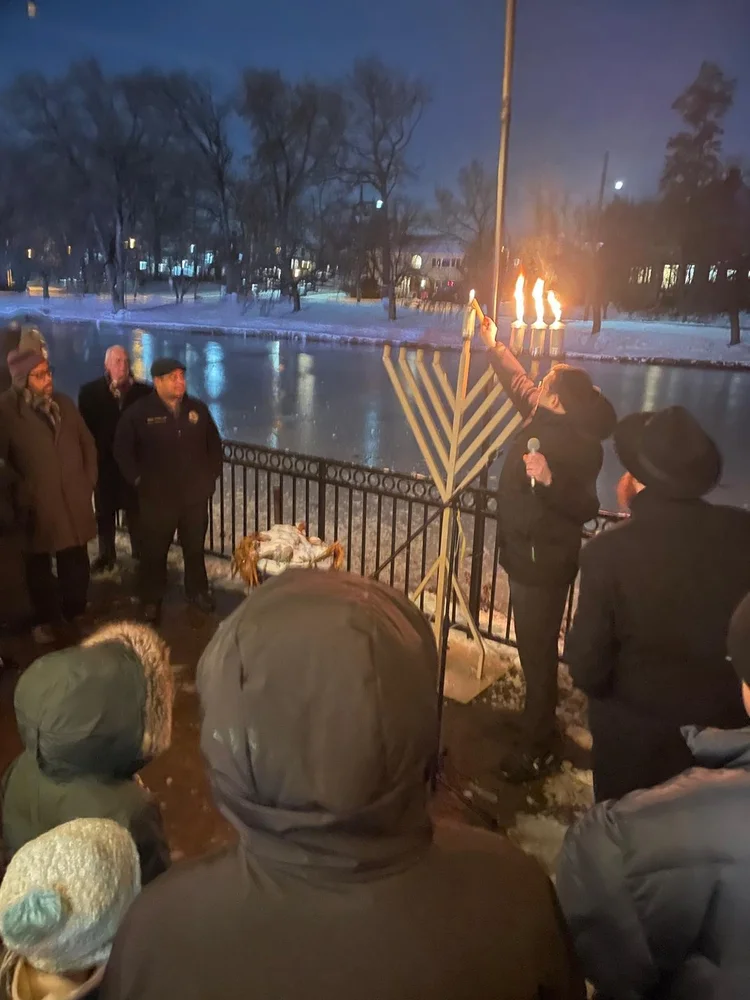
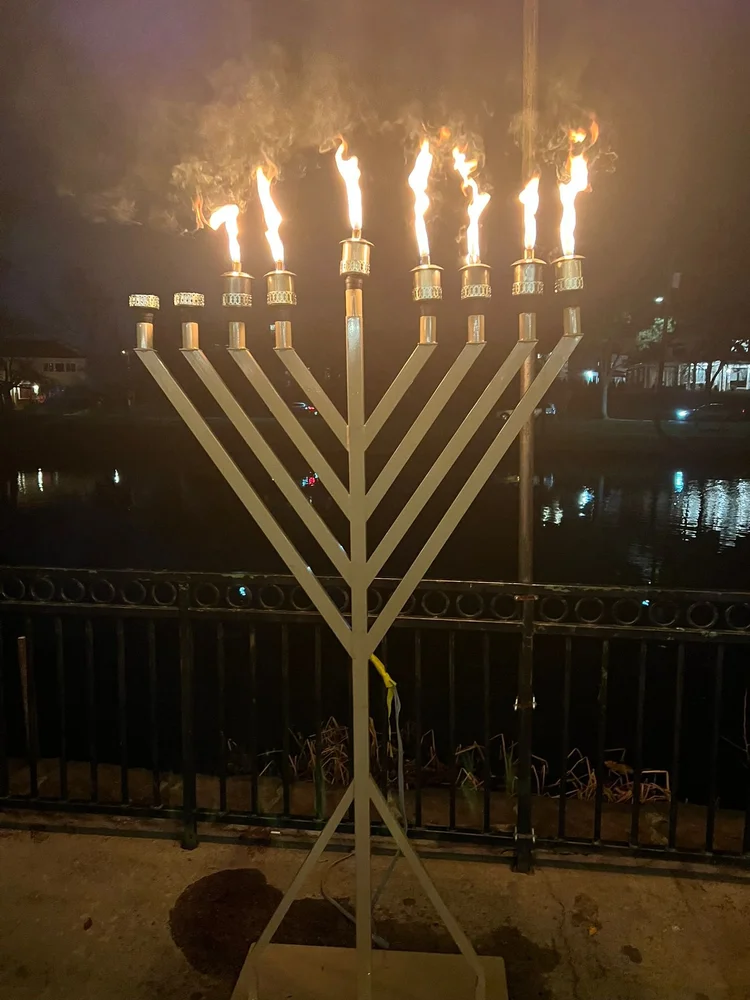
The grand menorah being lit by the water at 3rd Ward Park as community members look on
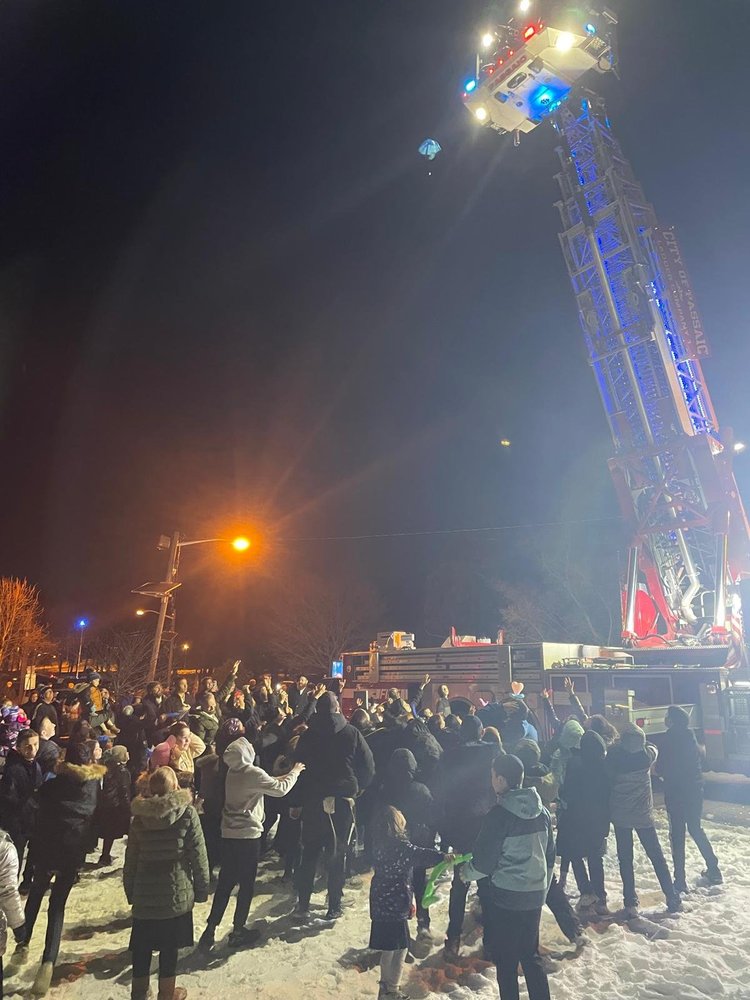
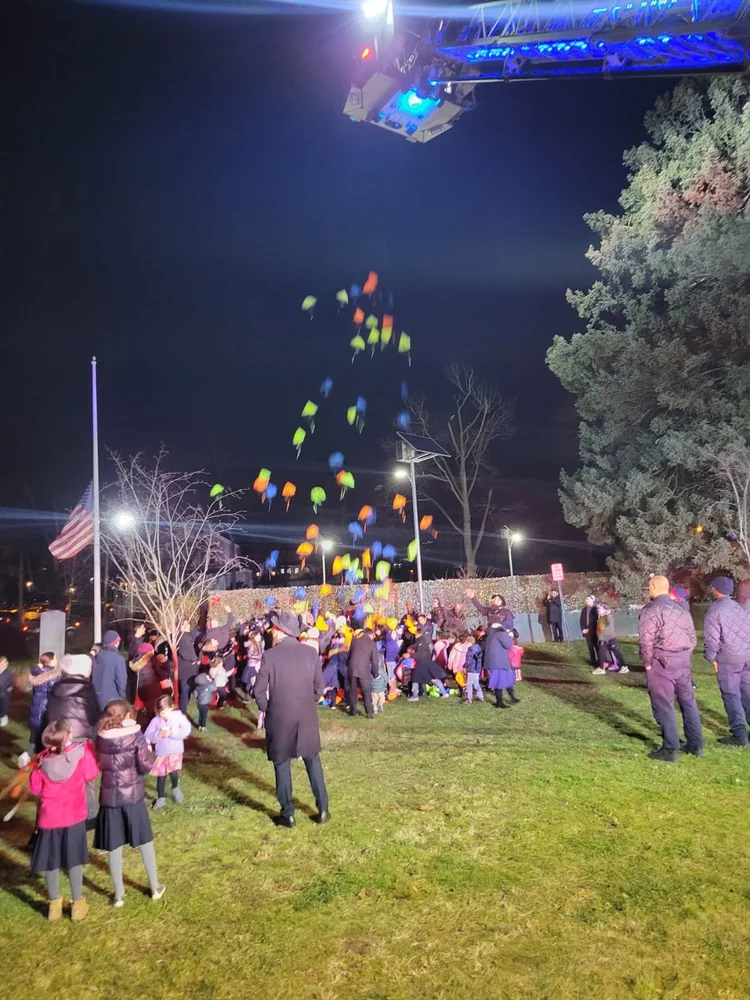
Fire-truck ladder raised over the crowd for the Chanukah gelt drop
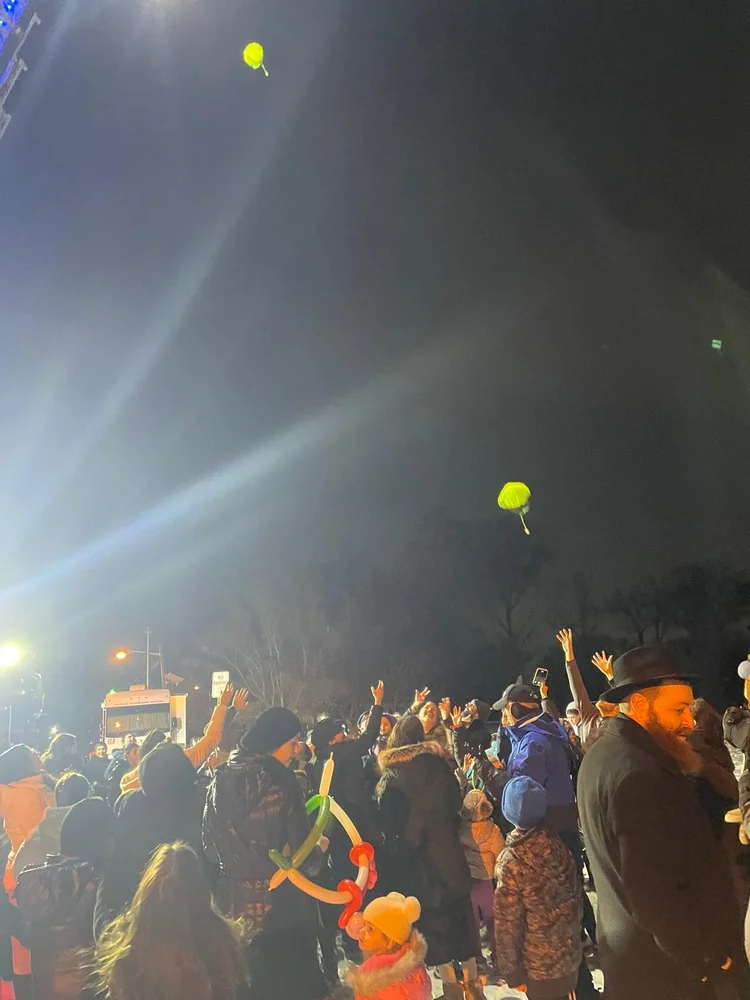
Children and families reaching up to catch gelt at night during the Chanukah celebration
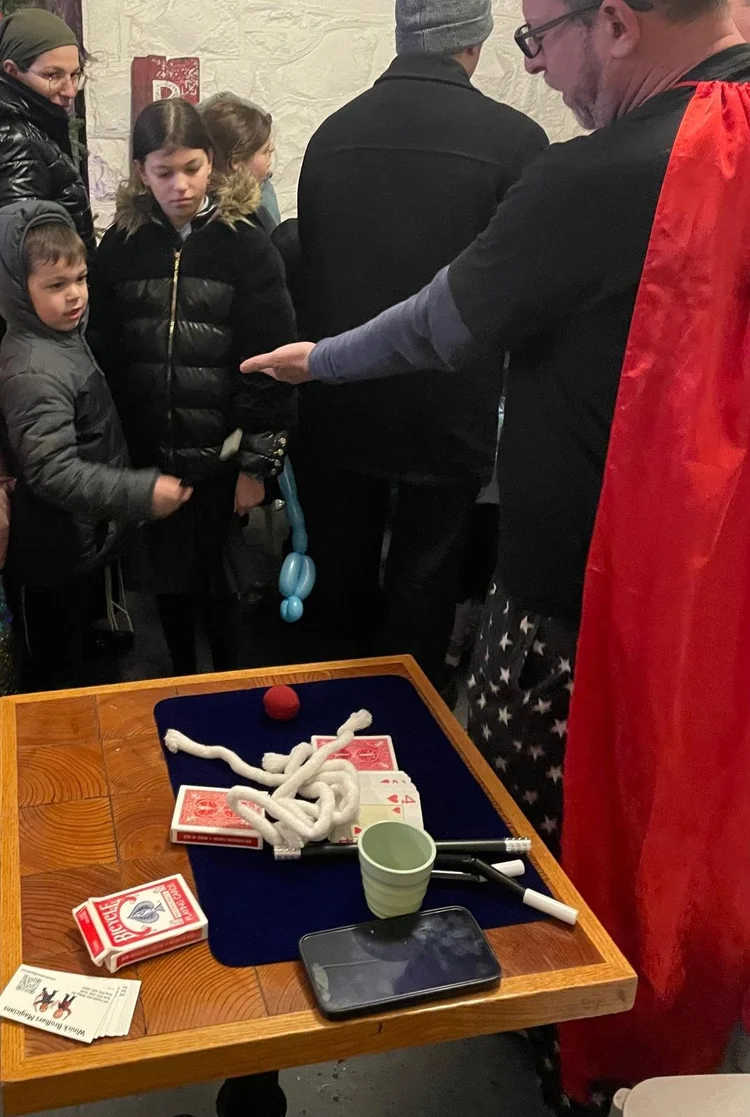
Magician in a red cape performing card and rope tricks for children at the Chanukah celebration
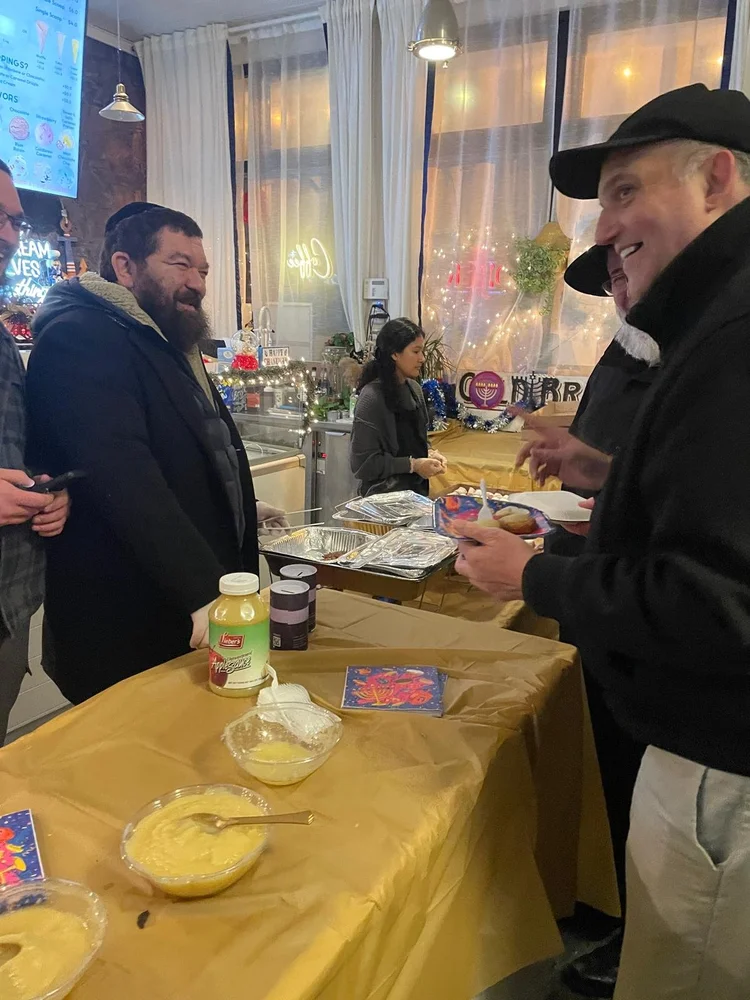
Guests being served latkes at the Chanukah food table inside the Boathouse
Gelt dropping from a fire-truck ladder over children on the lawn at 3rd Ward Park, Passaic
Close-up of the grand menorah with lit flames by the water at 3rd Ward Park, Passaic

See more photos: Chanukah 5786 (2025) · Chanukah 5784 (2023)

When Is Chanukah 2026? Candle-Lighting Times for Passaic, NJ 07055

Chanukah 5787 begins at sundown on Friday, December 4, 2026, and ends at nightfall on Saturday, December 12, 2026 (25 Kislev – 2 Teves 5787).

We light the menorah right after sunset. On Friday afternoon we light before the Shabbos candles, and on Saturday night we light after Shabbos ends and Havdalah. The lights must burn for at least 50 minutes in total, and at least 30 minutes after nightfall, whichever is longer. On Erev Shabbos we light earlier than usual, so the lights need to burn longer. Standard half-hour Chanukah candles are not long enough; use longer-lasting candles or enough oil.

NightDate (evening)Hebrew dateCandlesEarliest time to lightNotes
1stFri, Dec 425 Kislev1 + shamash3:34 PM (plag hamincha)Light before Shabbos candles at 4:11 PM. Use candles or oil that will burn until at least 5:30 PM (½ hour after nightfall, 5:00 PM). Say Shehecheyanu.
2ndSat, Dec 5 (Motzei Shabbos)26 Kislev2 + shamash5:14 PM (Shabbos ends)Light after Havdalah (Shabbos ends 5:14 PM).
3rdSun, Dec 627 Kislev3 + shamash4:29 PM (sunset)
4thMon, Dec 728 Kislev4 + shamash4:28 PM (sunset)
5thTue, Dec 829 Kislev5 + shamash4:28 PM (sunset)🕎 Public Menorah Lighting, 6:30 PM, the Boathouse, 3rd Ward Park. Light at home too.
6thWed, Dec 930 Kislev (Rosh Chodesh Teves)6 + shamash4:28 PM (sunset)
7thThu, Dec 101 Teves (Rosh Chodesh Teves)7 + shamash4:29 PM (sunset)
8thFri, Dec 112 Teves8 + shamash3:36 PM (plag hamincha)Light before Shabbos candles at 4:11 PM. Use candles or oil that will burn until at least 5:30 PM.
—Sat, Dec 123 Teves (from evening)——Last day of Chanukah. Shabbos ends 5:14 PM; no menorah that night.

Times are from the shul's Halacha Guide, Laws and Customs: Kislev and Chanukah (5787), for Passaic, NJ, in Eastern Standard Time (sunset 4:28 to 4:29 PM; nightfall 5:00 PM).

How to Light the Menorah

Before you start

  1. Your menorah. It needs eight lights in a straight, even row, plus a shamash (the "helper" candle) set apart, higher or lower than the rest. Olive oil with cotton wicks is best, and beeswax or regular candles are fine too. Electric menorahs are nice for display but don't count for the mitzvah.
  2. Where to put it. Place the menorah in a doorway, on the side opposite the mezuzah, as close to the doorpost as you can, so that you're surrounded by two mitzvos. If there's no mezuzah (in a hotel, for example), put it on the right side of the door. The doorway of the room where you eat is best. The flames should be between 9.5 and 31.5 inches (3 to 10 tefachim) off the floor. Put it on a sturdy, fireproof surface, away from curtains, drafts and children's reach.
  3. Enough fuel. Before lighting, make sure there's enough oil or wax for the lights to burn at least 50 minutes in total, and at least half an hour after nightfall, whichever is longer. In Passaic this year nightfall is 5:00 PM, so the lights must last until at least 5:30 PM. On Erev Shabbos we light earlier than usual, before the Shabbos candles, so use more oil or bigger candles (enough for about 1½ hours) and a longer-lasting shamash. Standard half-hour Chanukah candles aren't long enough.

Lighting, step by step

  1. Set up tonight's lights from right to left. On the first night, place one candle at the far right. Each night, add one more candle to the left of the previous night's.
  2. Dress for the mitzvah. Weekday clothes, not Shabbos clothes. Men wear a hat and jacket, and married men wear a gartel.
  3. Gather everyone around. Men and women are equally obligated, and children love to take part.
  4. Light the shamash and hold it in your right hand.
  5. Say the blessings (see "The Chanukah Blessings" below) while standing. Say two blessings every night, plus Shehecheyanu on the first night (Friday, Dec. 4). Finish all the blessings before you begin lighting, and don't talk until all the lights are lit.
  6. Light from left to right. Start with the newest candle on the far left, then continue to the right. We add candles from right to left but light them from left to right.
  7. Put the shamash back in its place. Don't blow it out.
  8. Sing Haneiros Halalu, once all the lights are lit and the shamash is back in its place.
  9. Stay and enjoy the lights for at least half an hour. Tell the Chanukah story, play dreidel, and give Chanukah gelt. The lights are holy, so we only look at them and don't use them for reading or other work. Women refrain from work such as sewing, laundry and ironing while the lights are burning (cooking and cleaning are fine).

When to light

  • Weeknights: light right after sunset. If you can't, light as soon as possible after that. You may still light later in the evening while people are awake.
  • Friday, Dec. 4 and Friday, Dec. 11 (Erev Shabbos): light the menorah just before the Shabbos candles (Shabbos candle lighting is 4:11 PM), and not before plag hamincha. Never light after Shabbos has begun. Because we light earlier than usual, use enough oil or candles big enough to last until half an hour after nightfall, about 1½ hours, and a longer-lasting shamash.
  • During Shabbos: don't move the menorah or relight a flame that goes out, and don't prepare Saturday night's lights.
  • Saturday night, Dec. 5: wait until Shabbos ends (5:14 PM). Say Havdalah, then light the menorah.
  • At shul and at public lightings: these publicize the miracle, but everyone still lights at home.

Sources: the shul's Halacha Guide, Laws and Customs: Kislev and Chanukah 5787 (compiled for Passaic-Clifton by Rabbi Dr. Kornitzer), sections "Menorah Lighting: Where?", "The Fuel", "Menorah Lighting: How?", "After Lighting" and "Friday, Erev Shabbos"; and Chabad.org, "How to Light the Menorah" and "How to Celebrate Chanukah". The full Halacha Guide is linked in the "Chanukah In-Depth" section below.

The Chanukah Blessings

Say these while holding the lit shamash, just before lighting. Hebrew text, transliteration and translation are from Chabad.org.

Blessing 1: every night

בָּרוּךְ אַתָּה אֲדֹנָי אֱלֹהֵינוּ מֶלֶךְ הָעוֹלָם אֲשֶׁר קִדְּשָׁנוּ בְּמִצְוֹתָיו וְצִוָּנוּ לְהַדְלִיק נֵר חֲנֻכָּה.

Bah-rookh ah-tah ah-doh-noi eh-loh-hay-noo meh-lekh hah-oh-lahm ah-sher ki-deh-shah-noo beh-mitz-voh-tahv veh-tzee-vah-noo leh-hahd-lik nayr kha-noo-kah.

Blessed are You, Lord our G‑d, King of the universe, who has sanctified us with His commandments, and commanded us to kindle the Chanukah light.

Blessing 2: every night

בָּרוּךְ אַתָּה אֲדֹנָי אֱלֹהֵינוּ מֶלֶךְ הָעוֹלָם שֶׁעָשָׂה נִסִּים לַאֲבוֹתֵינוּ בַּיָּמִים הָהֵם בִּזְּמַן הַזֶּה.

Bah-rookh ah-tah ah-doh-noi eh-loh-hay-noo meh-lekh hah-oh-lahm sheh-ah-sah nee-sim lah-ah-voh-tay-noo bah-yah-mim hah-haym biz-mahn hah-zeh.

Blessed are You, Lord our G‑d, King of the universe, who performed miracles for our forefathers in those days, at this time.

Blessing 3: Shehecheyanu, first night only (Friday, Dec. 4), or the first time you light this Chanukah

בָּרוּךְ אַתָּה אֲדֹנָי אֱלֹהֵינוּ מֶלֶךְ הָעוֹלָם שֶׁהֶחֱיָנוּ וְקִיְּמָנוּ וְהִגִּיעָנוּ לִזְּמַן הַזֶּה.

Bah-rookh ah-tah ah-doh-noi eh-loh-hay-noo meh-lekh hah-oh-lahm sheh-heh-kheh-yah-noo veh-kee-yi-mah-noo ve-hig-ee-yah-noo liz-mahn hah-zeh.

Blessed are You, Lord our G‑d, King of the universe, who has granted us life, sustained us, and enabled us to reach this occasion.

After lighting: Haneiros Halalu

הַנֵרוֹת הַלָלוּ אָנוּ מַדְלִיקִין, עַל הַתְּשׁוּעוֹת וְעַל הַנִסִים וְעַל הַנִפְלָאוֹת, שֶׁעָשִׂיתָ לַאֲבוֹתֵינוּ, בַּיָמִים הָהֵם בִּזְמַן הַזֶה, עַל יְדֵי כֹּהַנֶיךָ הַקְדוֹשׁים. וְכָל שְׁמוֹנַת יְמֵי חַנֻכָּה, הַנֵרוֹת הַלָלוּ קֹדֶשׁ הֵם, וְאֵין לָנוּ רְשׁוּת לְהִשְׁתַּמֵשׁ בָּהֵן אֶלָא לִרְאוֹתָן בִּלְבָד, כְּדֵי לְהוֹדוֹת וּלְהַלֵל לְשִׁמְךָ הַגָדוֹל, עַל נִסֶיךָ וְעַל נִפְלְאוֹתֶיךָ וְעַל יְשׁוּעוֹתֶיךָ.

Hah-nay-roht hah-lah-loo ah-noo mahd-lee-kin, ahl hah-teh-shoo-oht veh-ahl hah-nee-sim veh-ahl hah-nif-lah-oht, sheh-ah-see-tah lah-ah-voh-tay-noo bah-ya-meem hah-haym biz-mahn hah-zeh, ahl yeh-day koh-hah-neh-kha hah-keh-doh-shim. Veh-khol sheh-moh-naht yeh-may khah-noo-kah hah-nay-roht hah-lah-loo koh-dehsh haym, veh-ayn lah-noo reh-shoot leh-hish-tah-maysh bah-hayn, eh-lah lir-oh-tahn bil-vahd, keh-day leh-hoh-doht oo-leh-hah-layl leh-shee-meh-khah hah-gah-dohl, ahl nee-seh-kha veh-ahl nif-lah-oh-teh-khah veh-ahl yeh-shoo-oh-te-khah.

We kindle these lights [to commemorate] the saving acts, miracles and wonders which You have performed for our forefathers, in those days at this time, through Your holy priests. Throughout the eight days of Chanukah, these lights are sacred, and we are not permitted to make use of them, but only to look at them, in order to offer thanks and praise to Your great Name for Your miracles, for Your wonders and for Your salvations.

Sources: Chabad.org, "Chanukah Prayers: How to Say the Menorah Blessings"; "Hanerot Halalu"; "Hanerot Halalu Hebrew Text".

The Chanukah Story

More than 2,100 years ago, the Land of Israel came under the rule of the Syrian-Greek emperor Antiochus. He set out to force Greek culture and idol worship on the Jewish people. He outlawed Torah study, Shabbos, circumcision and the observance of the mitzvos, and he defiled the Holy Temple in Jerusalem with Greek idols.

A small group of Jews, led by the elderly priest Mattisyahu and his son Yehudah the Maccabee, refused to give up their faith. Few in number and weak in weapons, they fought the mighty Greek armies, and with G‑d's help they drove them out of the land.

When the Maccabees reclaimed the Holy Temple on the 25th of Kislev, they wanted to light the Temple's menorah. But the Greeks had made almost all the oil impure. They found just one small jar of pure oil, sealed with the seal of the High Priest. It held only enough to burn for one day, and new pure oil would take eight days to prepare. Miraculously, the oil burned for eight days and nights.

To remember these miracles, the victory of the few over the many and of light over darkness, and the oil that lasted eight days, the Sages established the eight days of Chanukah. Every year we light the menorah, adding one more light each night, and thank G‑d with Hallel and V'al HaNissim in our prayers.

Based on Chabad.org, "How to Light the Menorah: Why We Light the Menorah", and "How to Play Dreidel" for the decrees against Torah study.

Words of the Lubavitcher Rebbe on Chanukah

Each quote below is copied word for word from the Rebbe's letters as published on Chabad.org (English renditions published by Kehot / Chabad.org).

“…to plainly see for oneself, and to demonstrate to others passing by in the street, that light dispels darkness; and that even a little light dispels a great deal of darkness, how much more so a light that steadily grows in intensity.”

The Rebbe, letter of 15 Kislev 5738 (November 25, 1977), "To All Jewish Detainees, Everywhere." Chabad.org: "Chanukah in Prison – Chanukah, 5738"

“Needless to say, darkness is not chased away by brooms and sticks, but by illumination. Our Sages said, 'A little light expels a lot of darkness.'”

The Rebbe, letter of Erev Chanukah 5741 (1980), "To all Participants in the Public Lighting of the Chanukah Menorah in the U.S.A." Chabad.org: "The Obligation to Illuminate the World – Chanukah, 5741"

“The Chanukah Lights remind us in a most obvious way that illumination begins at home, within oneself and one's family, by increasing and intensifying the light of the Torah and Mitzvos in the everyday experience, even as the Chanukah Lights are kindled in growing numbers from day to day. But though it begins at home, it does not stop there.”

The Rebbe, same letter, Erev Chanukah 5741 (1980). Chabad.org

“Living Yiddishkeit requires continuous growth; there is always room for enriching one's spiritual life.”

The Rebbe, letter of Erev Shabbos and Erev Chanukah 5743 (1982). Chabad.org: "A Deeper Look at the Menorah Blessings – Chanukah, 5743"

“…a Jew should not be content with merely spreading the light of Torah and Mitzvos in his own home, but it is part of his obligation and privilege to spread the light of Yiddishkeit, Torah and Mitzvos, also outside his home, to lighten up the outside, the street, the whole environment…”

The Rebbe, letter of 20 Kislev 5746 (1985). Chabad.org: "Six Lessons from the Chanukah Menorah Lighting – Chanukah, 5746"

Chanukah FAQ

When is Chanukah 2026?

Chanukah 2026 (5787) begins at sundown on Friday, December 4, 2026, when the first candle is lit, and ends at nightfall on Saturday, December 12, 2026. It runs from 25 Kislev to 2 Teves on the Jewish calendar. The Passaic-Clifton Public Menorah Lighting is on the fifth night, Tuesday, December 8, at 6:30 PM. See the candle-lighting times above.

How do you light the menorah?

Place the candles from right to left, adding one each night. Light the shamash, say the blessings, then light the newest (left-most) candle first and go left to right. Light right after sunset. On Friday, light just before the Shabbos candles, and on Saturday night light after Havdalah. See the step-by-step guide above.

What are the Chanukah blessings?

Every night we say two blessings before lighting: lehadlik ner Chanukah (to kindle the Chanukah light) and she'asah nissim (who performed miracles). On the first night we add Shehecheyanu. After lighting we sing Haneiros Halalu. The full Hebrew, transliteration and English are above.

What is the Chanukah story?

In the second century BCE, the Syrian-Greeks under Antiochus banned Torah observance and defiled the Holy Temple. The Maccabees, a small band led by Mattisyahu and his sons, defeated them. When they rededicated the Temple on 25 Kislev, they found one jar of pure oil, enough for one day, and it burned for eight days. Read the full story above.

What are Chanukah traditions?

The main mitzvah is lighting the menorah each night and publicizing the miracle, at home and at public menorah lightings like ours. Other traditions include:

  • Saying Hallel and V'al HaNissim in prayers
  • Eating foods fried in oil, like latkes and sufganiyot (donuts), to recall the miracle of the oil
  • Playing dreidel
  • Giving Chanukah gelt and extra tzedakah
  • Spending the first half hour near the lights with family. Women refrain from work such as sewing and laundry during that time.
What is Chanukah gelt?

Gelt is Yiddish for "money." It's customary to give children money on Chanukah, partly to teach them to give some of it to charity and partly to make the holiday festive. Gelt is given every night, with a bigger amount on the fourth or fifth night. This year the fifth night is the night of our Public Menorah Lighting and gelt drop! Chanukah is also a time to increase one's own giving to tzedakah.

(Source: Chabad.org, "What Is Gelt?")

How do you play dreidel?

A dreidel is a four-sided spinning top with the Hebrew letters נ ג ה ש (nun, gimmel, hei, shin). They stand for Nes Gadol Hayah Sham, "A great miracle happened there." In Israel, the shin is replaced with a pei, for Po, "here."

  1. Divide the tokens equally among the players. You can use coins, nuts, chocolate gelt or anything else.
  2. Everyone puts one token into the pot. The player with the highest spin goes first (nun is highest, then gimmel, hei and shin), and play continues clockwise.
  3. Spin the dreidel and see where it lands:
    • Nun (נ): nothing happens. Next player.
    • Gimmel (ג): take the whole pot! Then everyone puts in one more token.
    • Hei (ה): take half the pot. If there's an odd number, leave the extra one.
    • Shin (ש): put one token into the pot.
  4. Whenever the pot is empty, everyone puts in a token.
  5. A player who can't pay after landing on shin, or after someone else lands on gimmel, is out. The last player with tokens wins.

Why dreidel? When the Greeks outlawed Torah study, Jewish children studied in secret. When a patrol came by, they pulled out spinning tops and pretended to be playing.

(Source: Chabad.org, "How to Play Dreidel")

Is the Public Menorah Lighting free? Who can come?

Yes. It's free and open to all. Join us Tuesday, December 8, at 6:30 PM at the Boathouse in 3rd Ward Park, 350 Passaic Ave, Passaic.

How can I support the Menorah Lighting?

Choose a sponsorship of $36 and up on the Sponsor page, or make a general gift on the Donate page.

Chanukah in-depth

Bring this Chanukah to the next level. Explore the Halacha guide and other resources below.

Halacha Guide: Laws and Customs of Chanukah

Chanukah Sicha

Chelek 10

Tanu Rabannan:

a Chanukah Maamar from the Rebbe

Chanukah Sicha

Chelek 15

Bring the Light of Chanukah to Passaic-Clifton

Join us on the fifth night. Sponsor the celebration. Support Beis Chabad all year.

Follow Beis Chabad on X for minyan times, classes and events: @beischabadpc